Negative Space Anatomy

Islands of Focus
Instead of distributing furniture evenly throughout a room, create clusters. A reading corner with a chair, lamp, and small table forms one island. A dining area forms another. Between these islands, leave generous empty space.
The Rule of Three
Group objects in clusters of three. A chair, a plant, and a lamp create visual harmony. The space around this cluster becomes part of the composition.
Breathable Gaps
Maintain at least 60% empty space between clusters. This negative space allows the eye to rest and creates a sense of calm.
Visual Weight
Balance visual weight across the room. A heavy piece on one side needs corresponding negative space on the other to maintain equilibrium.
Abstract Composition

The Breathing Room
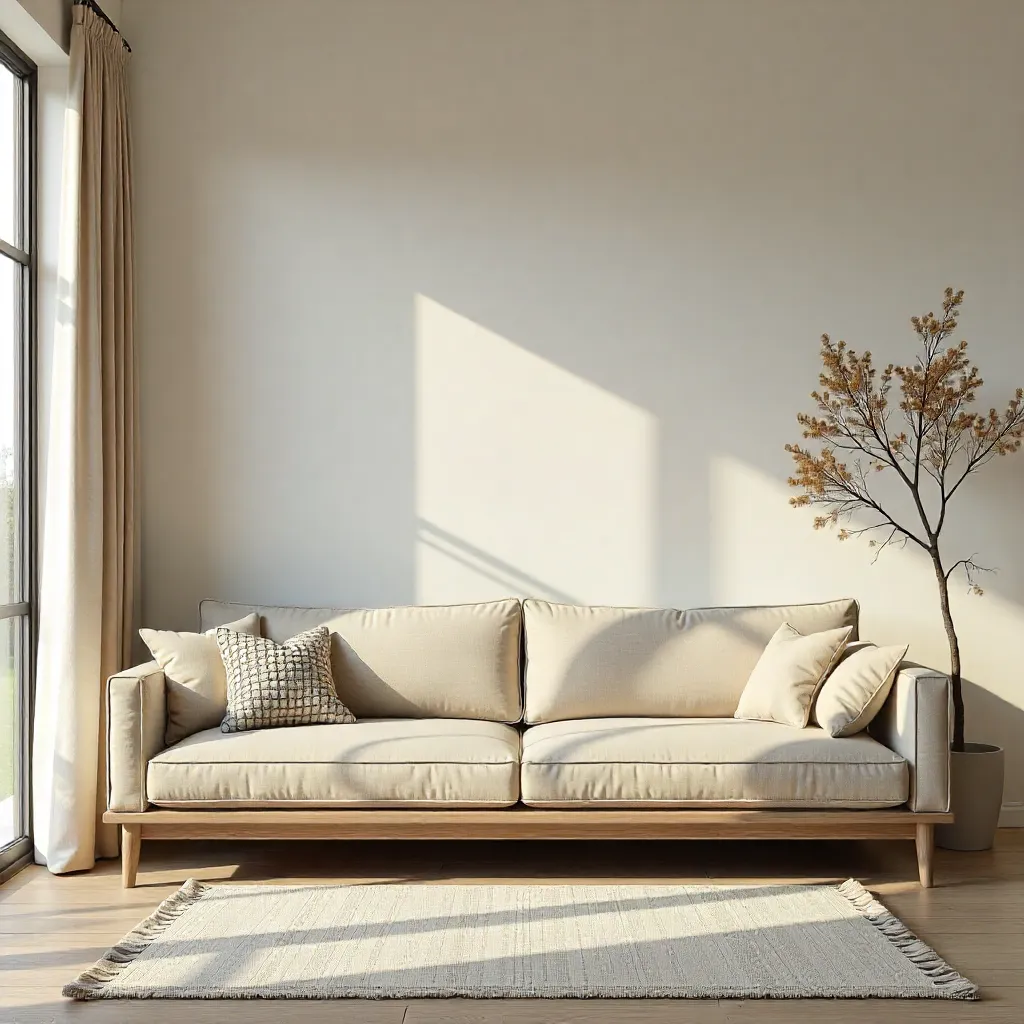
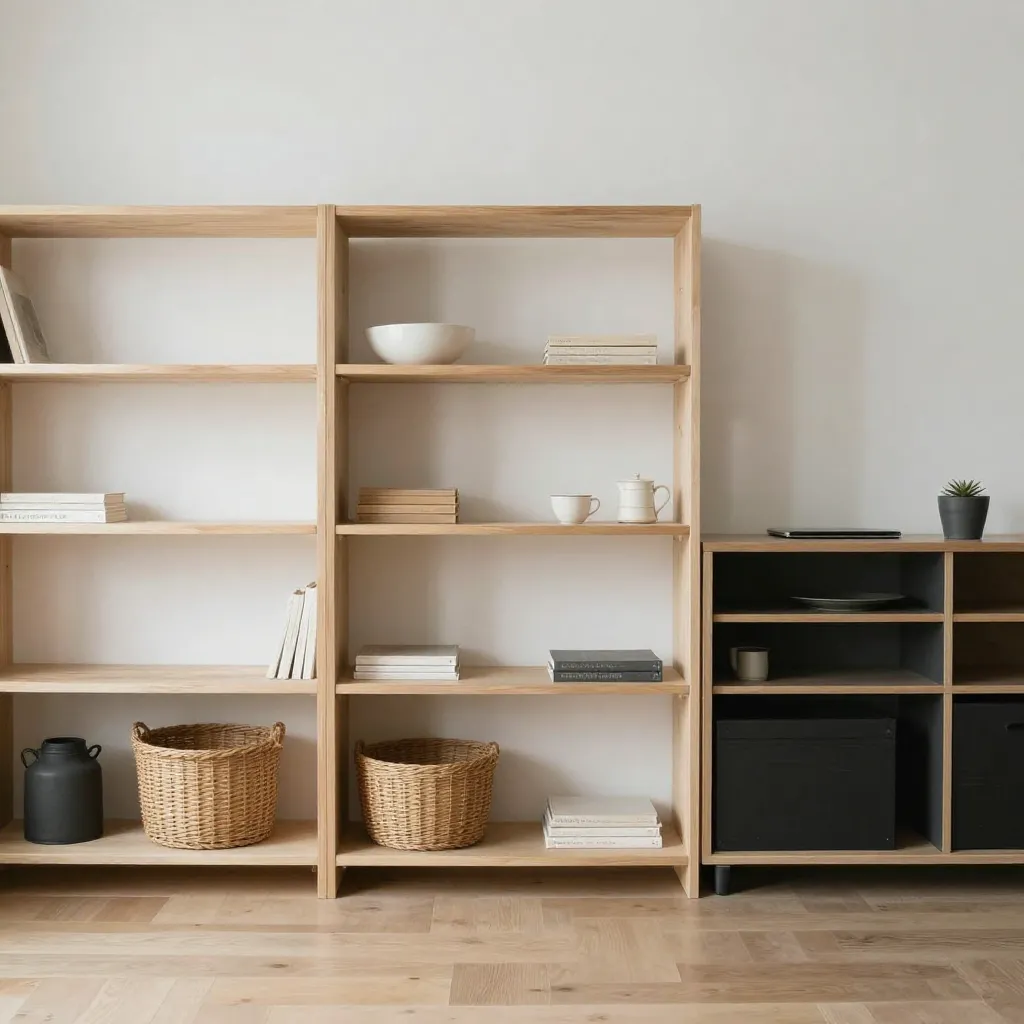
Negative space isn't wasted space—it's intentional emptiness that gives objects room to exist. When a room feels cluttered, it's often because there isn't enough negative space. Remove one object, and suddenly everything else can breathe.
Practical Application
Start by identifying your room's natural focal points—windows, fireplaces, architectural features. Create islands around these points. Then, ensure there's clear, unobstructed space between islands. This creates flow and prevents visual chaos.